Why Solo Travel Is Booming: Insights from the Latest Data
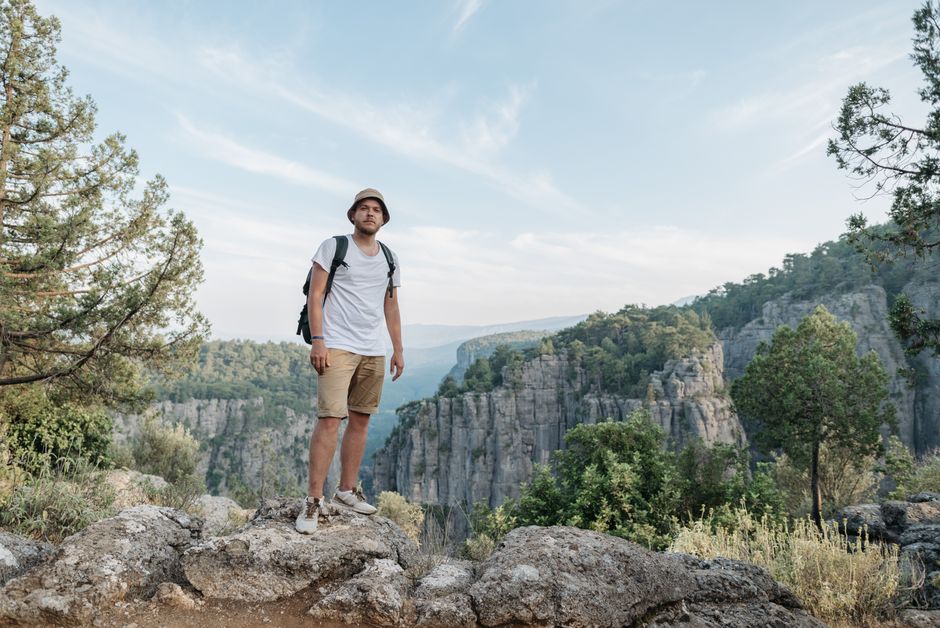
Solo travel has seen a notable rise in recent years, particularly among younger generations. According to the latest survey data, millennials and Gen Z are increasingly choosing to explore the world on their own. This trend is not just a passing fad but reflects deeper shifts in work culture and personal values. The data indicates that flexibility in work arrangements and a strong desire for personal development are key drivers behind this movement. This article examines the survey findings and explores the factors contributing to the growth of solo travel among these age groups.
The analysis draws on a comprehensive survey conducted across the United Kingdom, which gathered responses from over 2,000 individuals aged 18 to 40. The results show that nearly 60% of respondents have taken at least one solo trip in the past three years, with a significant portion planning more in the near future. Interestingly, the motivations for solo travel vary between millennials and Gen Z, yet both groups cite similar underlying reasons. Understanding these patterns is essential for travel industry stakeholders and for anyone interested in contemporary travel behaviour.
Work Flexibility as a Catalyst
The rise of remote work and flexible schedules has fundamentally changed how people approach travel. Many millennials and Gen Z workers now have the freedom to work from anywhere, which allows them to extend trips or combine work with leisure. The survey revealed that over 70% of respondents who took solo trips in the past year did so while working remotely. This flexibility enables them to integrate travel into their lifestyle, rather than treating it as a separate, time-bound event.
Work flexibility also reduces the logistical barriers to solo travel. Without the need to coordinate with colleagues or adhere to strict office hours, individuals can plan trips at their own pace. Furthermore, the ability to work from different time zones means that travellers can adapt their schedules to local conditions, making the experience more immersive. The survey data shows that those with flexible work arrangements are twice as likely to travel solo compared to those with traditional 9-to-5 jobs. This suggests that employers offering remote options are inadvertently facilitating a cultural shift towards independent exploration.
Additionally, the COVID-19 pandemic normalised remote work on a global scale, and this habit has persisted. As a result, the concept of the ‘digital nomad’ has become more mainstream, and solo travel is a natural extension of this lifestyle. For many young professionals, the ability to work from a beach or a mountain retreat is not just a perk but a core expectation. This trend is likely to continue as more companies adopt hybrid models. The survey indicates that among those who plan to travel solo in the next year, 80% intend to work during their trip, underscoring the integral role of work flexibility in sustaining the solo travel boom.
Desire for Personal Growth and Autonomy
Beyond practical considerations, solo travel is increasingly seen as a pathway to personal growth. The survey found that ‘self-discovery’ and ‘building confidence’ were among the top reasons cited by respondents for travelling alone. For many, the experience of navigating unfamiliar environments independently fosters resilience and adaptability. The data shows that 65% of solo travellers reported feeling more independent after their trips, and 58% said they gained a clearer sense of their personal goals.
This emphasis on personal growth is particularly strong among Gen Z, who often value experiences over material possessions. The survey revealed that 72% of Gen Z respondents view solo travel as an investment in themselves, rather than merely a leisure activity. They see it as an opportunity to step out of their comfort zones and develop skills that are transferable to other areas of life. In contrast, millennials are more likely to tie solo travel to career development, citing the importance of networking and broadening their perspectives. Regardless of generation, the underlying motivation is a desire to chart one’s own course, free from external influences.
Autonomy is another critical factor. Solo travel allows individuals to make spontaneous decisions, from where to eat to which attractions to visit. This sense of control is appealing, especially in a world where many aspects are pre-scripted. The survey responses highlight that 68% of participants enjoy the flexibility to change plans at will, and 55% value the opportunity to meet new people more easily when travelling alone. These benefits contribute to a feeling of self-reliance that extends beyond the trip. For many, solo travel serves as a catalyst for long-term personal development, shaping their worldview and approach to challenges.
Social Media and the Influence of Online Communities
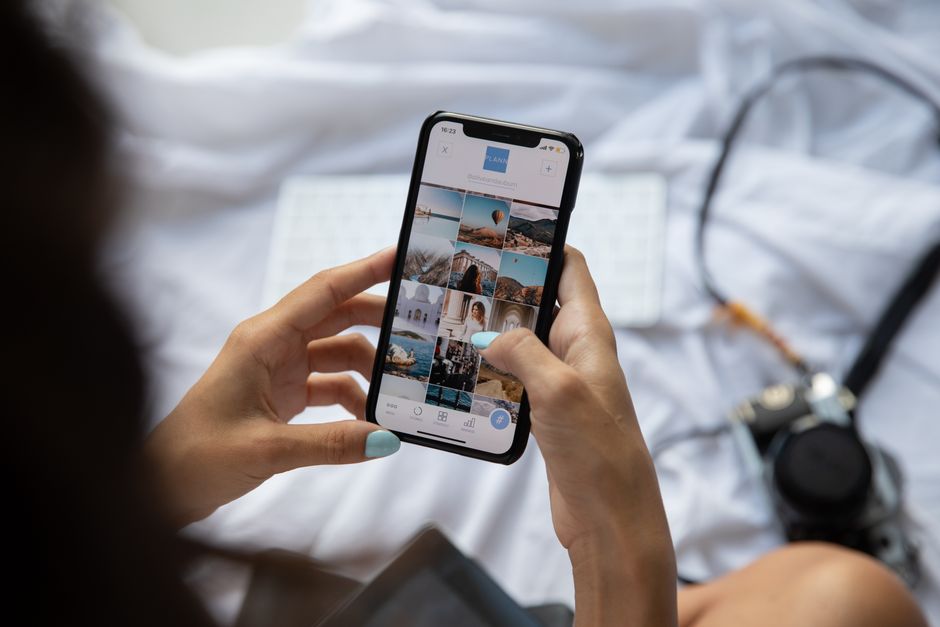
Social media platforms have played a significant role in the popularity of solo travel. Platforms like Instagram and TikTok are saturated with content showcasing solo adventures, often presenting them as glamorous and empowering. The survey indicates that 45% of respondents were inspired to take their first solo trip after seeing posts from influencers or friends. This exposure normalises the idea of travelling alone, reducing the stigma that once existed.
Online communities also provide practical support. Facebook groups and Reddit forums are filled with advice on solo travel safety, budgeting, and destination recommendations. The survey found that 70% of solo travellers used online resources to plan their trips, and many reported feeling more confident because of the shared knowledge. Moreover, these communities often organise meetups, allowing solo travellers to connect with like-minded individuals at their destinations. This sense of belonging, even while physically alone, mitigates the potential loneliness of solo travel.
The data also highlights a generation gap in the use of social media for travel inspiration. Gen Z respondents are more likely to follow travel influencers, while millennials rely more on personal networks. However, both groups agree that social media has made solo travel seem more accessible and desirable. This influence is not without its downsides, as some travellers may feel pressure to present their trips in a certain way. Nevertheless, the overall effect has been to normalise and promote solo travel as a valid and rewarding pursuit.
Challenges and Considerations for Solo Travellers
While the trend is growing, solo travel is not without its challenges. Safety is a primary concern, particularly for women. The survey revealed that 40% of female respondents had safety concerns when travelling alone. This has led to the emergence of travel insurance specifically tailored for solo travellers and the rise of safety-focused travel apps. Many solo travellers also cite loneliness and decision fatigue as potential downsides. However, the survey shows that these challenges are often outweighed by the benefits, and that travellers actively seek ways to mitigate them.
To address safety concerns, many solo travellers opt for group tours or stay in hostels with social atmospheres. The survey found that 30% of solo travellers joined organised tours or activities during their trips, which provided a balance between independence and social interaction. Additionally, technology plays a crucial role in enhancing safety. GPS tracking, first-person location sharing, and local emergency numbers are just a few tools that solo travellers use. These measures demonstrate that the travel industry is responding to the needs of this growing segment.
Another consideration is the financial aspect. Solo travel can be more expensive than travelling with a partner or group, as the costs of accommodation and tours are not shared. The survey found that 52% of solo travellers were concerned about the cost, but many are willing to pay a premium for the experience. This has led to the development of single-friendly travel packages and discounts, which aim to reduce the price gap. As the demand for solo travel continues to rise, the industry is likely to adapt further, offering more tailored solutions to meet the needs of this demographic.
The Future of Solo Travel
The data suggests that solo travel is not a temporary trend but a lasting shift in travel behaviour. The flexibility of work and the emphasis on personal growth are structural changes that are unlikely to reverse. As more people experience the benefits of solo travel, word-of-mouth will continue to drive its popularity. Moreover, the travel industry is increasingly recognising the value of this market, with more accommodation options, tour packages, and services designed for solo travellers.
Looking ahead, we can expect to see further innovations in technology that enhance safety and connectivity, making solo travel even more accessible. For instance, virtual reality previews of destinations and AI-powered travel assistants could provide additional support. Additionally, the rise of co-working spaces in travel destinations is likely to blur the lines between work and leisure, making solo travel a seamless part of professional life. The survey indicates that 62% of respondents plan to take more solo trips in the next two years, indicating sustained growth.
“Solo travel is not just about seeing the world; it’s about discovering yourself in the process.”
In conclusion, the boom in solo travel among millennials and Gen Z is driven by a combination of work flexibility and a deep-seated desire for personal growth. The data provides clear evidence that these factors are reshaping how younger generations approach travel. While challenges exist, the overall trajectory is positive, with the industry adapting to meet the needs of solo travellers. For now, the allure of exploring the world on one’s own terms shows no signs of fading.